
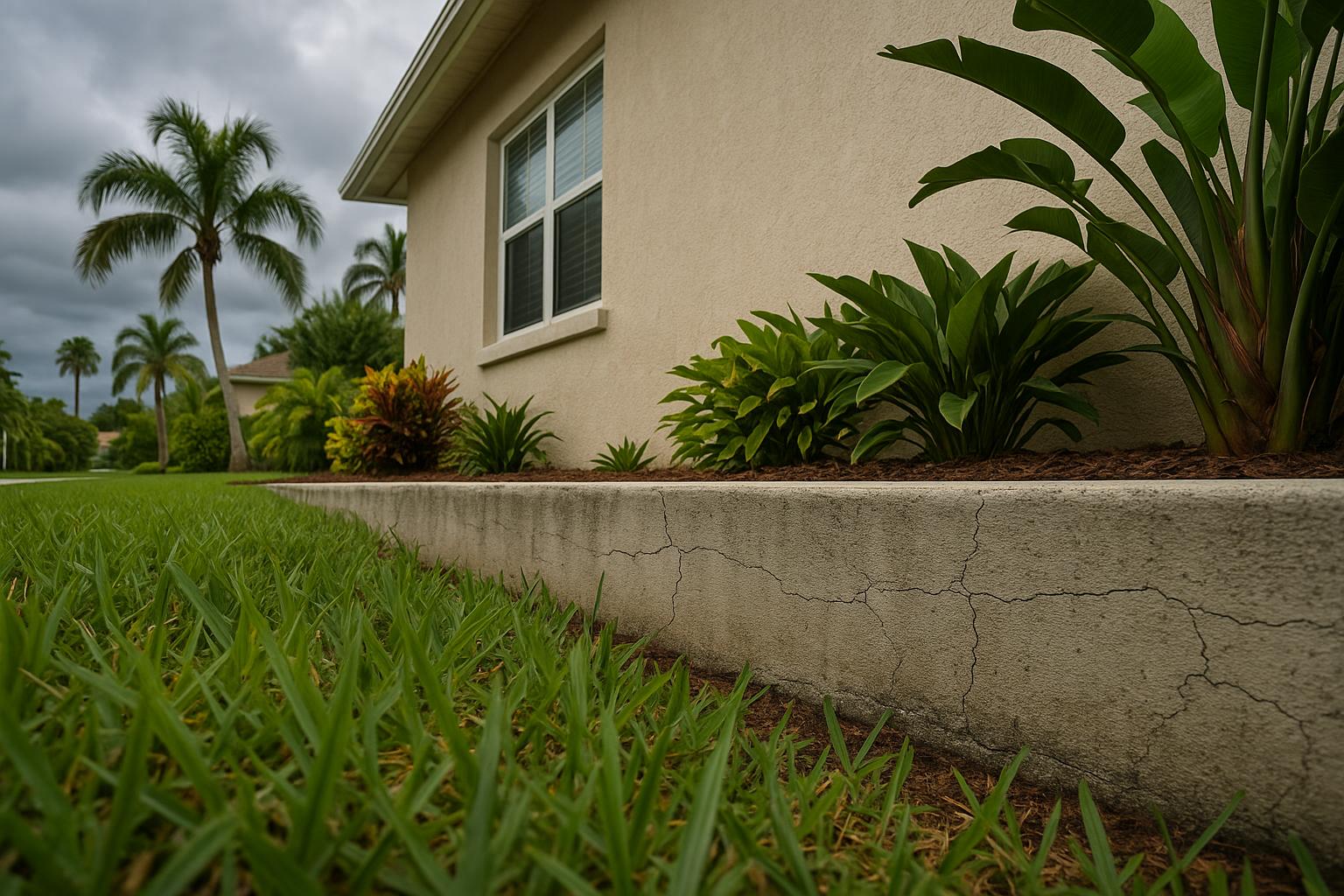
Your Foundation vs. Miami Weather: What Every Homeowner Should Know
Living in Miami comes with incredible perks — year-round sunshine, beautiful beaches, and a vibrant culture. But it also comes with a climate that can be surprisingly tough on your home's foundation. Between the intense heat, tropical downpours, hurricane season, and the naturally high water table in South Florida, your foundation is under constant environmental stress.
At Foundation & Basement Builders, we've seen firsthand how Miami's weather conditions contribute to foundation damage in homes across the area. Understanding these risks is the first step toward protecting your biggest investment.
The Unique Challenges of South Florida's Climate
High Water Table and Saturated Soil
One of the biggest factors affecting foundations in Miami is the high water table. In many neighborhoods — from Hialeah to North Miami Beach — the water table can sit just a few feet below the surface. This means the soil surrounding your foundation is frequently saturated, which creates hydrostatic pressure against your foundation walls and slab.
Over time, this constant moisture exposure can lead to:
- Cracks in your foundation slab or walls
- Water seepage into lower-level living spaces
- Erosion of the soil supporting your foundation
- Shifting or settling of the structure
Expansive Soil and Limestone Bedrock
Much of Miami sits on porous limestone bedrock, which behaves differently than the clay or sandy soils found in other parts of the country. While limestone provides a relatively stable base, its porous nature means water moves through it easily. During heavy rains, water can travel beneath your foundation and create voids or washout areas that compromise structural support.
Additionally, the thin layer of soil above the limestone can expand and contract with moisture changes, putting cyclical stress on your foundation throughout the wet and dry seasons.
Hurricane Season and Heavy Rainfall
Miami averages over 60 inches of rainfall per year, with the bulk of it falling between June and October. Tropical storms and hurricanes can dump several inches of rain in just hours, overwhelming drainage systems and flooding properties. If your home doesn't have proper waterproofing and drainage, all that water has to go somewhere — and it often ends up pooling around or under your foundation.
Repeated flooding events accelerate foundation deterioration. Homes in low-lying areas of Miami Gardens, Opa-locka, and parts of North Miami are especially vulnerable to these conditions.
Heat and Thermal Expansion
Miami's intense heat — with summer temperatures regularly exceeding 90°F — causes concrete to expand. When temperatures drop at night or during cooler months, the concrete contracts. This constant thermal cycling can create hairline cracks that gradually widen over time, allowing moisture to penetrate and cause further damage.
Warning Signs Your Foundation May Be Compromised
Foundation problems rarely announce themselves with a dramatic event. Instead, they develop slowly and show subtle signs that are easy to overlook. Here's what to watch for in your Miami home:
- Cracks in walls or floors: Hairline cracks are common in concrete, but diagonal cracks near windows and doors, stair-step cracks in block walls, or widening floor cracks are red flags.
- Doors and windows that stick: If doors or windows that used to open smoothly are suddenly difficult to operate, your foundation may be shifting.
- Uneven or sloping floors: Place a ball on the floor. If it rolls consistently in one direction, you may have settling issues.
- Gaps between walls and ceiling or floor: Visible separation where walls meet the ceiling or floor indicates structural movement.
- Water intrusion or persistent dampness: Moisture appearing on interior walls, musty odors, or visible mold growth near the base of walls can signal foundation-related water problems.
- Crumbling or flaking concrete: Known as spalling, this occurs when moisture infiltrates concrete and causes the surface to deteriorate.
How to Protect Your Miami Home's Foundation
Invest in Proper Drainage
Good drainage is your foundation's best friend in Miami's wet climate. Make sure your gutters and downspouts direct water at least four to six feet away from your foundation. French drains, channel drains, and proper grading around your home can prevent water from pooling near the structure.
Consider Professional Waterproofing
For homes in flood-prone areas of Miami, professional waterproofing is not a luxury — it's a necessity. Exterior waterproofing membranes, interior sealants, and sump pump systems can work together to keep moisture out and protect your foundation from long-term water damage.
Maintain Consistent Moisture Levels
This might sound counterintuitive, but during Miami's dry season, the soil around your foundation can shrink and pull away from the structure. Some homeowners benefit from using soaker hoses during extended dry periods to maintain consistent soil moisture and prevent excessive contraction.
Schedule Regular Foundation Inspections
The most effective way to prevent costly foundation repairs is to catch problems early. We recommend having your foundation professionally inspected every two to three years, or immediately after any major weather event. A trained eye can spot issues that most homeowners would miss.
When Repair Becomes Necessary
If you've noticed any of the warning signs mentioned above, don't wait. Foundation problems only get worse — and more expensive — with time. Common repair methods used in Miami include:
- Crack injection: Epoxy or polyurethane injection to seal and stabilize cracks in concrete foundations.
- Underpinning: Installing steel piers or helical piers to stabilize a foundation that has settled or shifted.
- Slab leveling: Using polyurethane foam injection to lift and level a sunken concrete slab.
- Drainage correction: Redesigning the drainage system around your home to eliminate the root cause of water-related foundation damage.
Each home is different, and the right solution depends on the specific conditions of your property. A thorough inspection is always the first step.
Don't Let Miami's Climate Win
Your home's foundation carries the weight of everything above it — literally. In a climate as demanding as Miami's, proactive maintenance and timely repairs are essential to keeping your home safe, stable, and structurally sound for decades to come.
If you're concerned about your foundation or have noticed any signs of damage, Foundation & Basement Builders is here to help. We serve homeowners throughout Miami, Hialeah, Miami Gardens, North Miami, and the surrounding communities with honest assessments and expert repairs. Reach out today for a consultation — because the best time to address a foundation problem is before it gets worse.